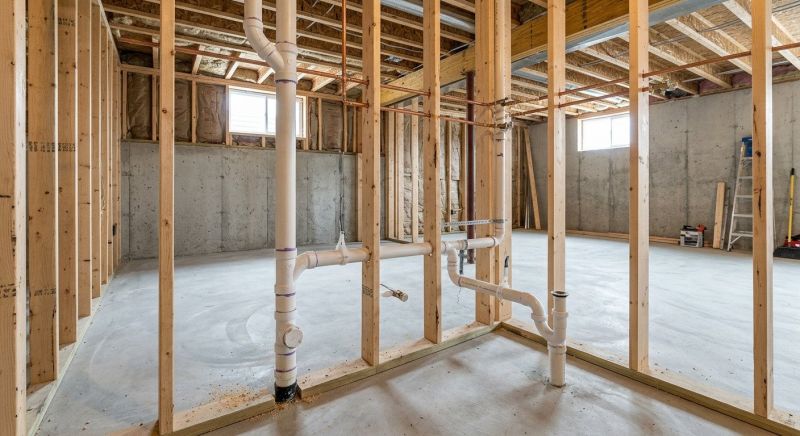
Basement Plumbing Installation in Denver, CO
Basement plumbing installation services involve setting up the essential water supply and drainage systems within a basement space. This includes installing new pipes for sinks, toilets, laundry areas, or additional bathrooms, as well as ensuring proper connections to existing plumbing infrastructure. Property owners often request this service when finishing a basement, adding a bathroom, or remodeling to improve functionality and convenience. It is important to understand the scope of the project, including the types of fixtures to be installed, existing plumbing accessibility, and any necessary permits or code requirements before beginning work.
Before requesting basement plumbing installation, homeowners should consider the layout of their basement and the intended use of the space. Understanding the location of existing plumbing lines can influence the complexity and cost of the project. Additionally, property owners may want to know about the materials used for pipes, the potential impact on basement waterproofing, and any necessary adjustments to accommodate new fixtures. Clear communication about project goals and existing infrastructure helps ensure the installation meets expectations and complies with local building standards.
Many property owners in Denver, CO look into Basement Plumbing Installation for repairs, replacements, upgrades, and appearance-related improvements.
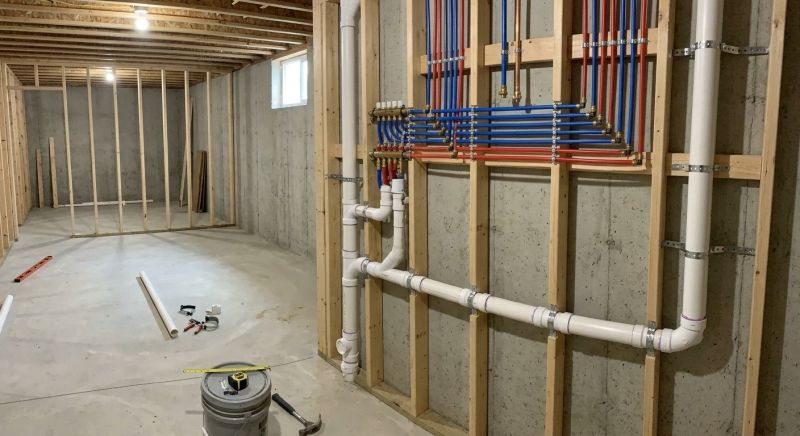
Basement Plumbing System Design
Proper planning ensures reliable water supply and drainage for basement spaces.
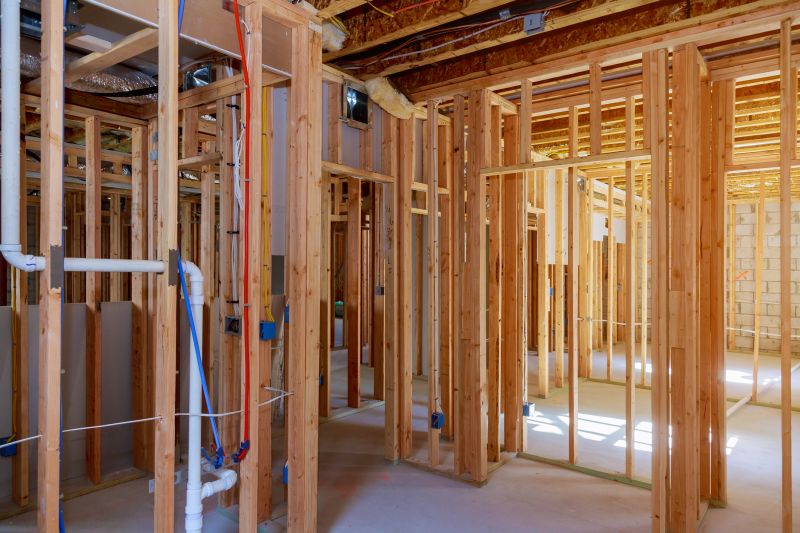
Water Line And Drain Installation
Installation services accommodate new fixtures, appliances, and basement renovations in denver.
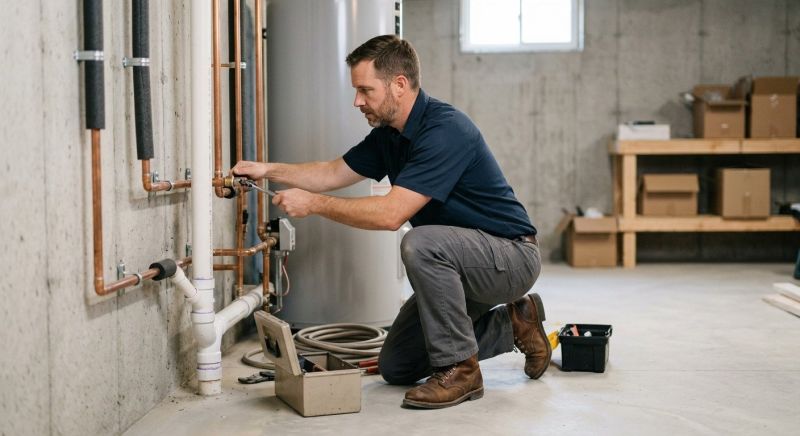
Leak Detection And Repair
Prompt repairs help prevent water damage and maintain basement plumbing integrity.
Basement Plumbing Installation in Denver, CO

Basement plumbing installation services involve setting up the essential water supply and drainage systems within a basement space. This includes installing new pipes for sinks, toilets, laundry areas, or additional bathrooms, as well as ensuring proper connections to existing plumbing infrastructure. Property owners often request this service when finishing a basement, adding a bathroom, or remodeling to improve functionality and convenience. It is important to understand the scope of the project, including the types of fixtures to be installed, existing plumbing accessibility, and any necessary permits or code requirements before beginning work.
Before requesting basement plumbing installation, homeowners should consider the layout of their basement and the intended use of the space. Understanding the location of existing plumbing lines can influence the complexity and cost of the project. Additionally, property owners may want to know about the materials used for pipes, the potential impact on basement waterproofing, and any necessary adjustments to accommodate new fixtures. Clear communication about project goals and existing infrastructure helps ensure the installation meets expectations and complies with local building standards.
Many property owners in Denver, CO look into Basement Plumbing Installation for repairs, replacements, upgrades, and appearance-related improvements.
Common Basement Plumbing Installation Jobs
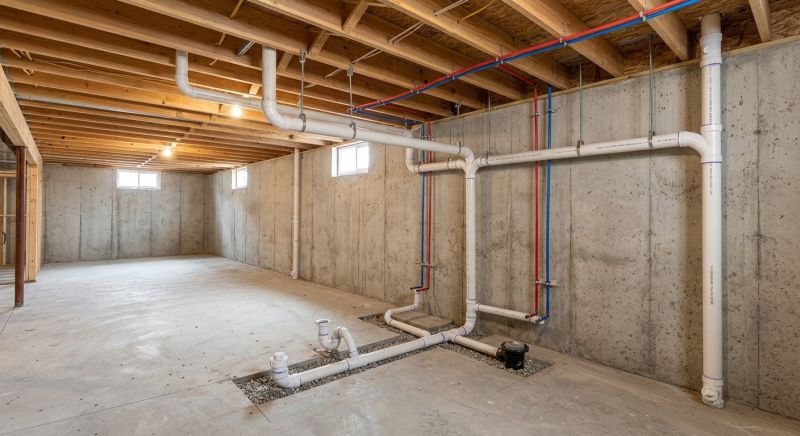
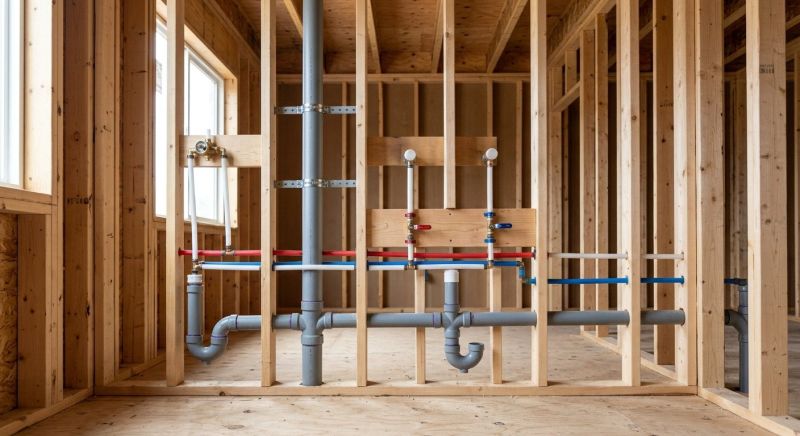
Basement bathroom plumbing - installation of new fixtures and drainage systems for basement bathrooms.
Sump pump installation - setting up sump pumps to prevent basement flooding and manage groundwater.
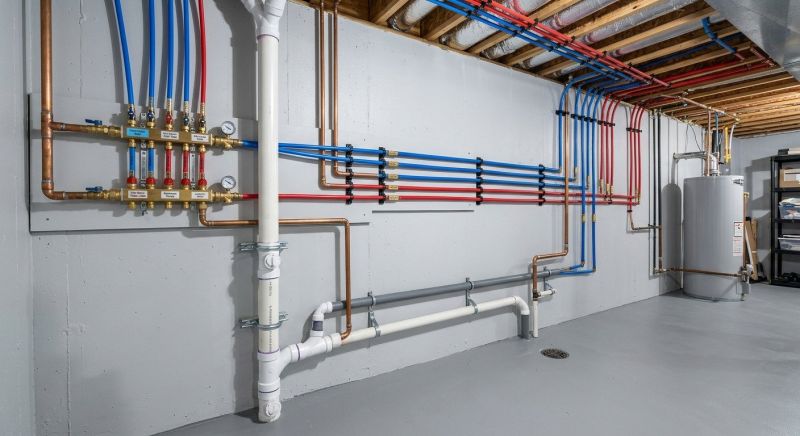
Water line upgrades - replacing or rerouting water lines to improve flow and reliability.
Drain line installation - installing or replacing drain pipes for proper sewage and wastewater removal.
Fixture hookups - connecting sinks, toilets, and other plumbing fixtures in the basement area.
Leak detection and repair - identifying and fixing leaks in basement plumbing to prevent water damage.
Basement Plumbing Installation Questions
What types of basement plumbing installations are commonly requested? Typical projects include new drain lines, sump pump setups, water supply lines, and fixture hookups for bathrooms or laundry areas.
How can I tell if my basement plumbing needs upgrading? Signs include persistent leaks, low water pressure, slow drains, or frequent backups that may indicate outdated or damaged pipes.
What should property owners consider before installing new basement plumbing? It's important to assess existing infrastructure, plan for proper drainage, and ensure adequate water supply to meet the project's needs.
Are there specific codes or regulations for basement plumbing installations? Yes, local plumbing codes set standards for safety and performance that should be followed during installation projects.
Request Basement Plumbing Installation in Denver, CO
Use the quote form on this page to share the basics of your project and request more information for the type of work you need.